
A reference compendium of high-fidelity, 3D-printed pathology simulators — engineered for the rehearsal, instruction, and study of foot and ankle surgery.
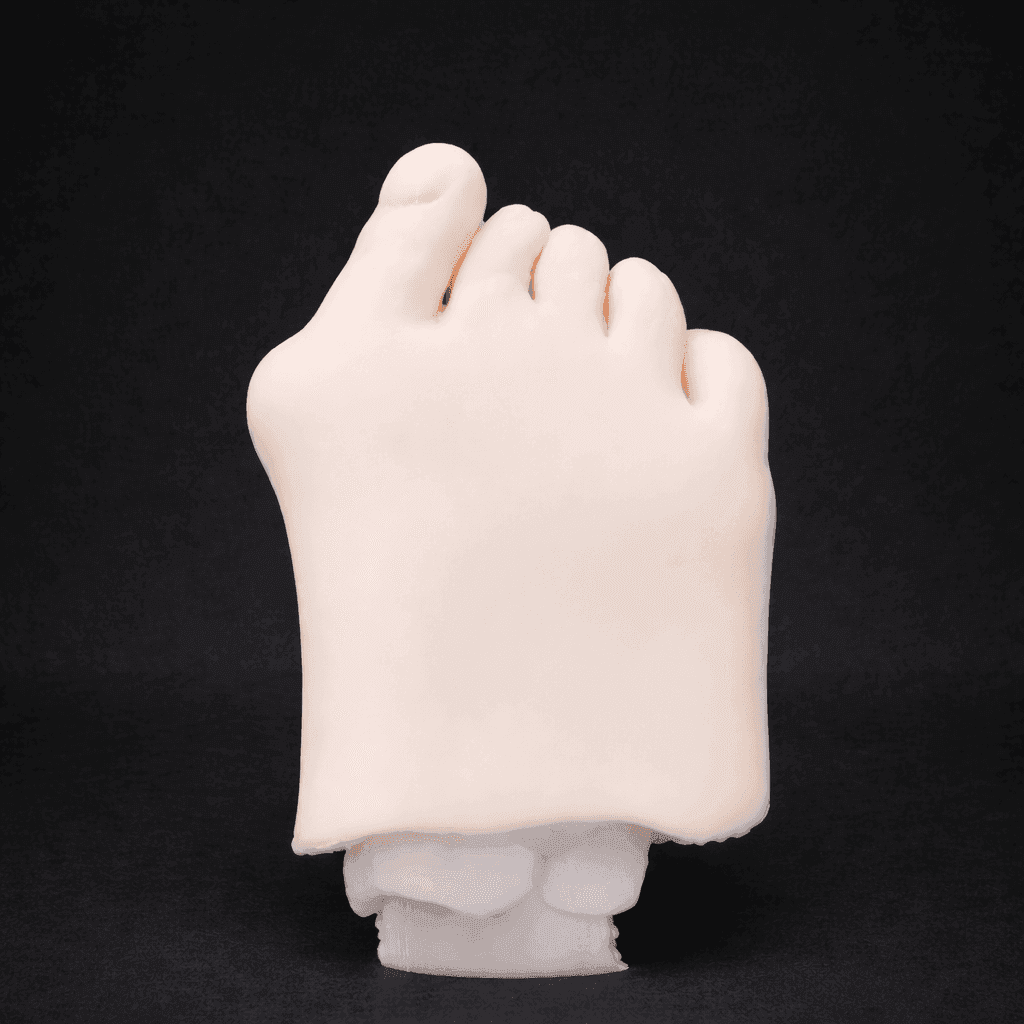
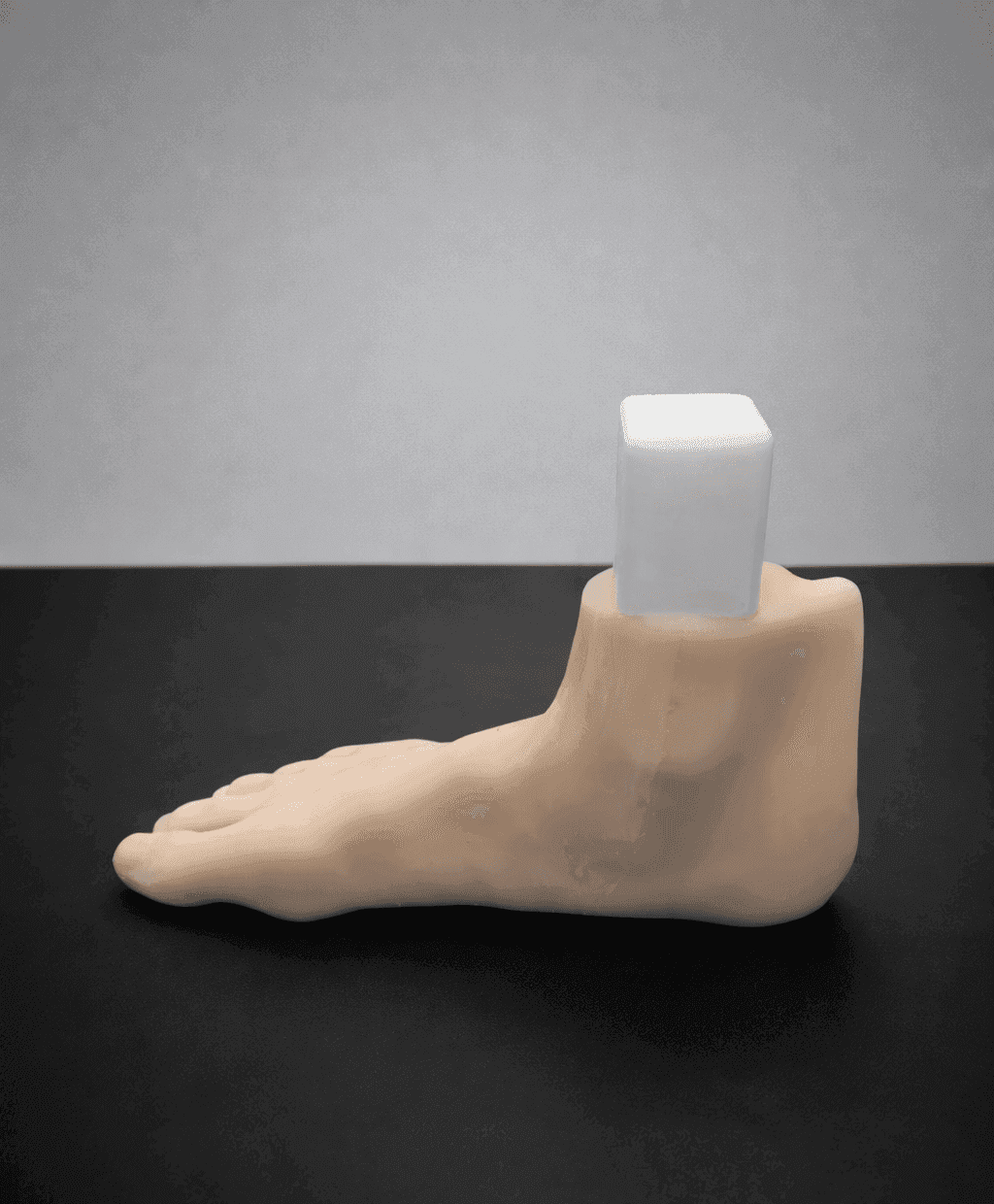
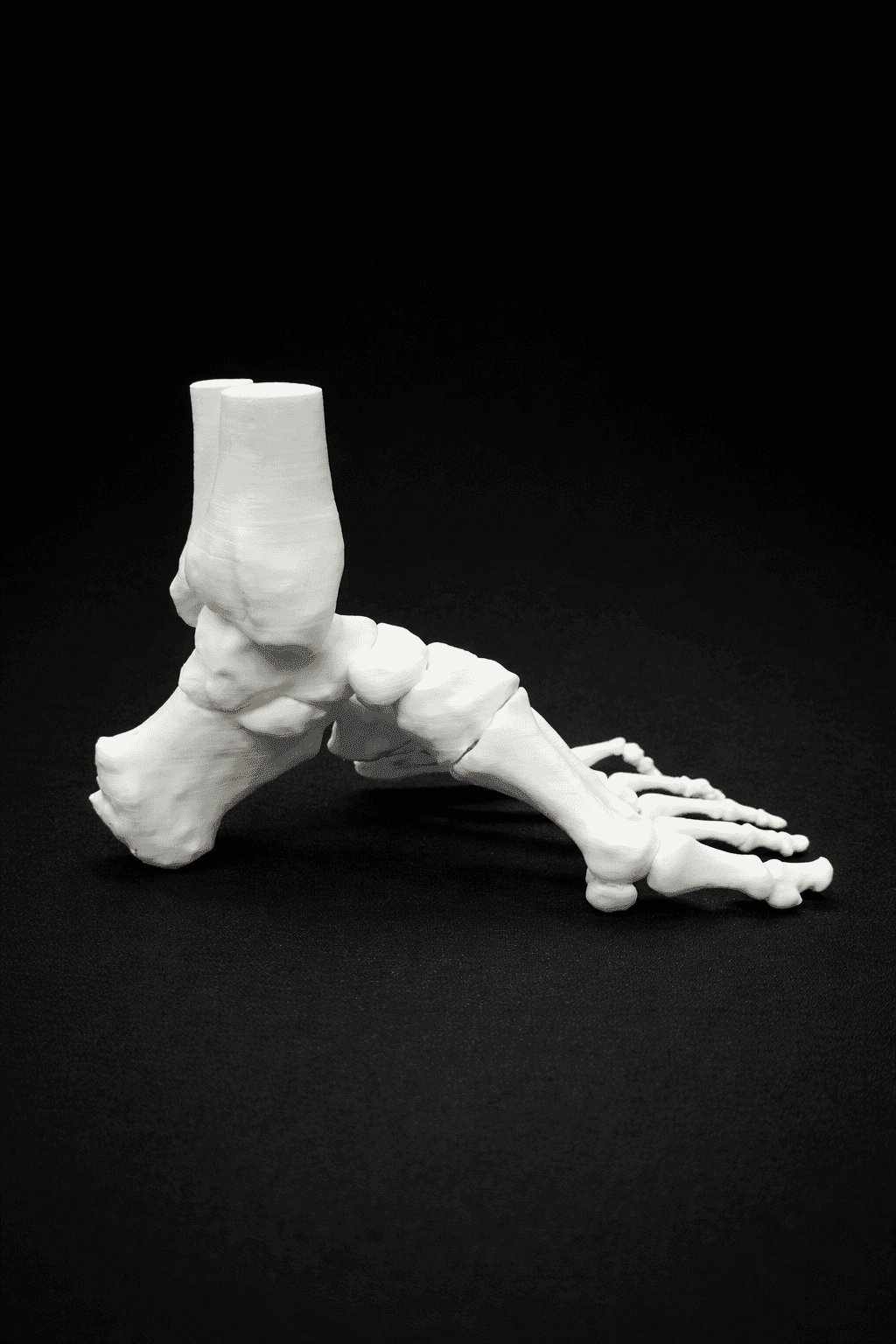
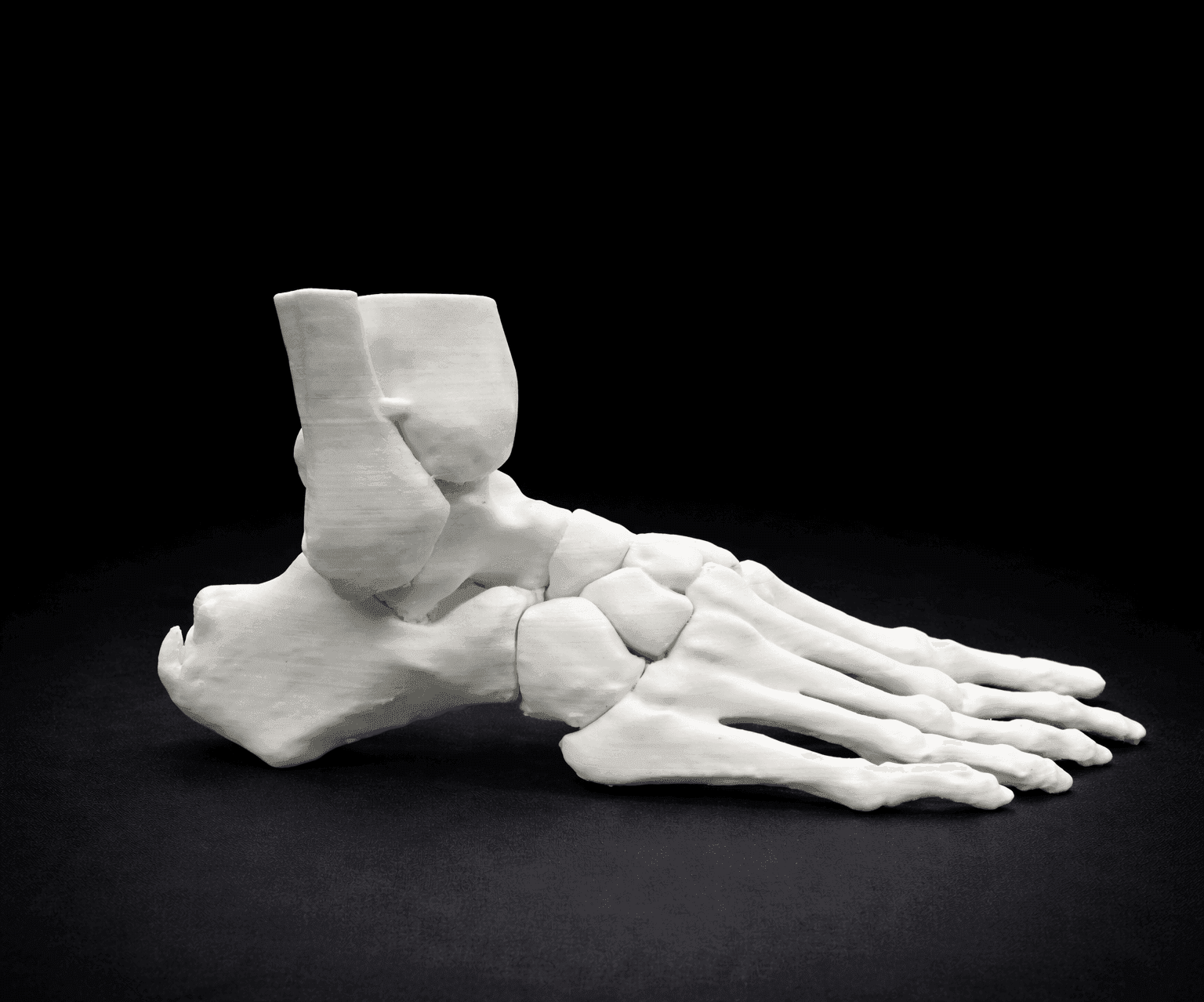
KIOPSI anatomical models are produced by additive manufacturing from medical-imaging data to faithfully reproduce the osseous and soft-tissue architecture of clinically encountered foot and ankle pathologies. Each reference is fabricated with material combinations selected to approximate the tactile and radiographic behavior of native tissues — supporting both open and image-guided rehearsal.
The catalog is intended for use by orthopaedic and podiatric surgeons, surgical residents, allied training programs, and medical device representatives in the context of pre-operative planning, technical instruction, instrument validation, and surgical skill development. Models are not intended for implantation.
Each reference in this volume corresponds to a discrete catalog number (REF) and is supplied with documentation of its material composition, dimensional envelope, and intended pathology.
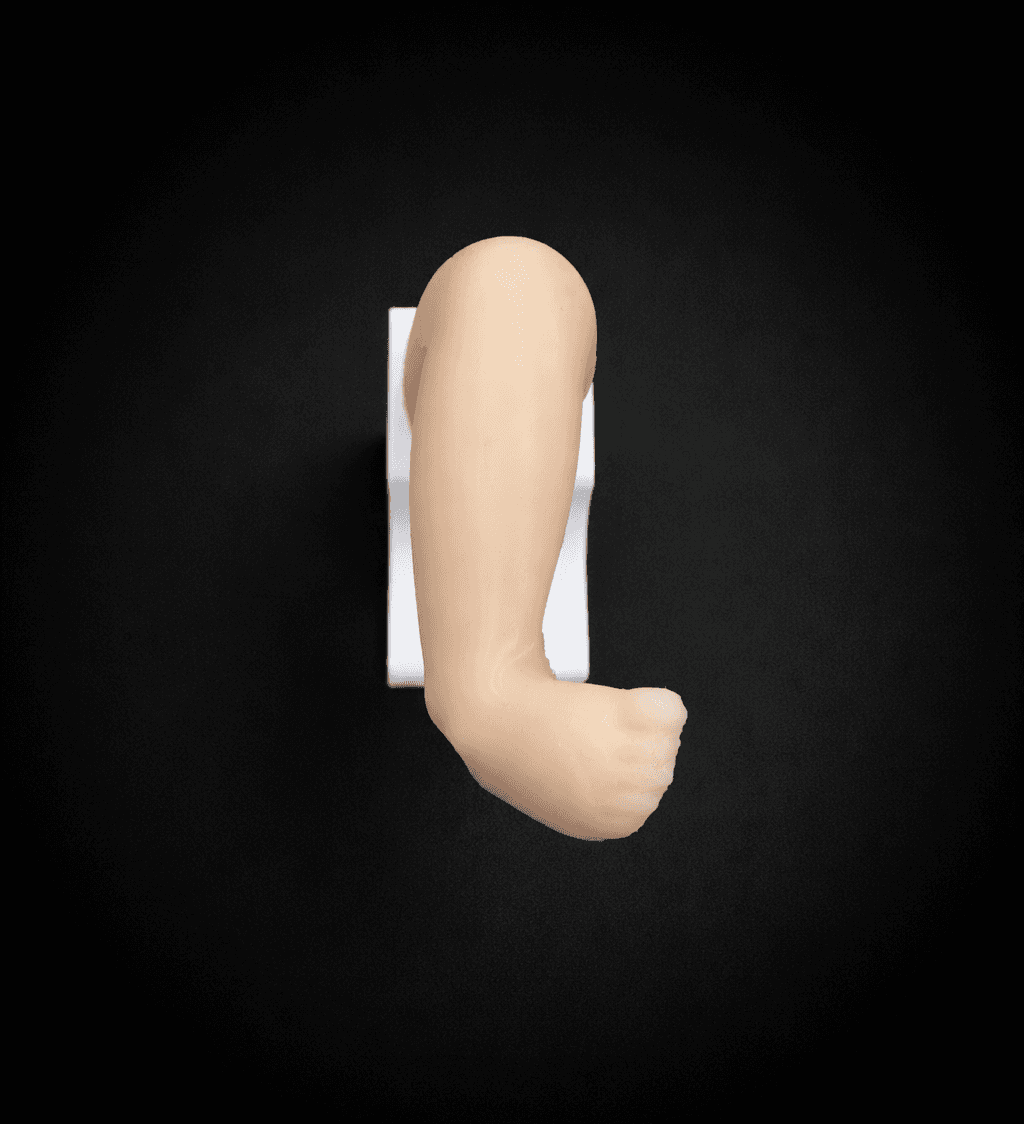
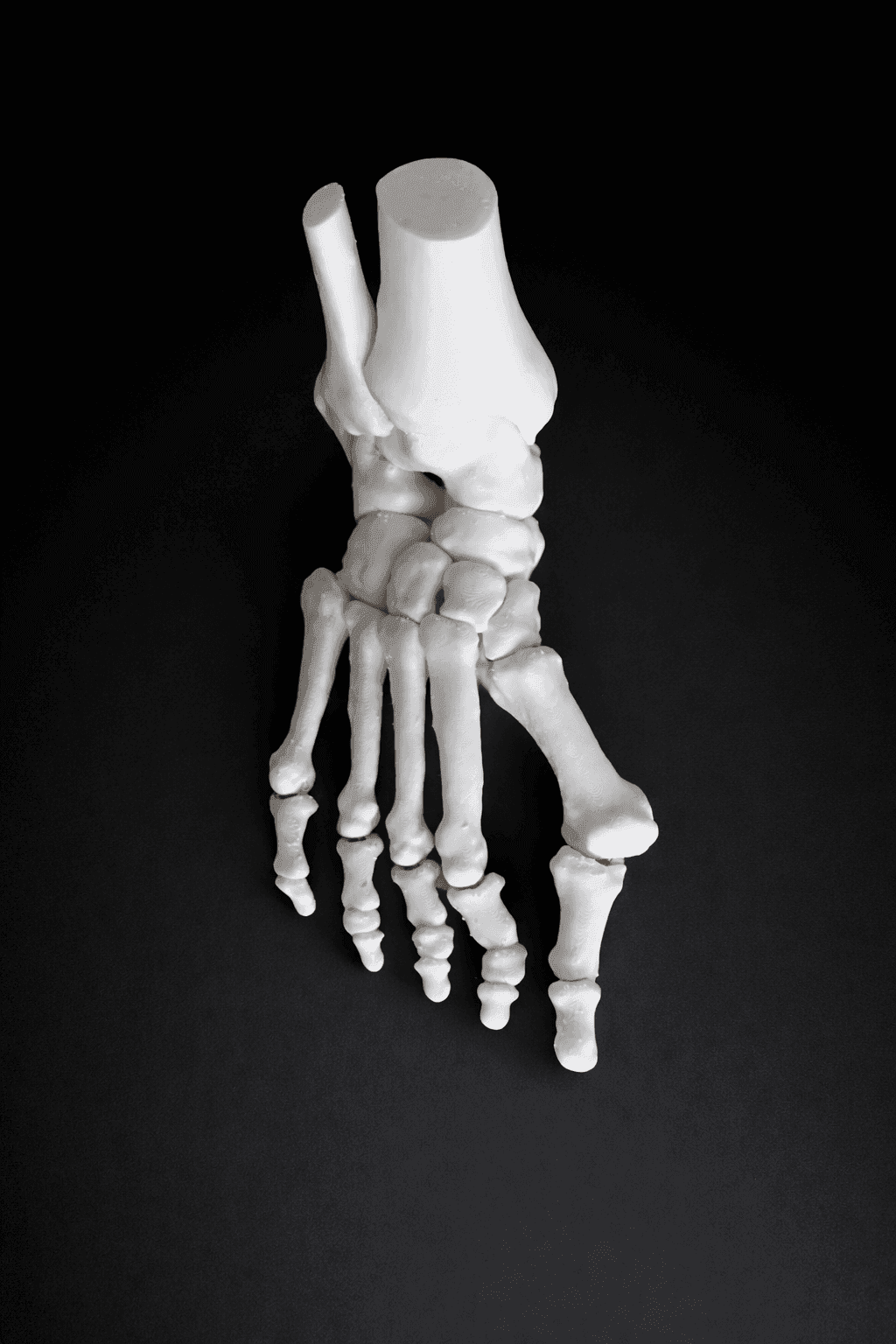
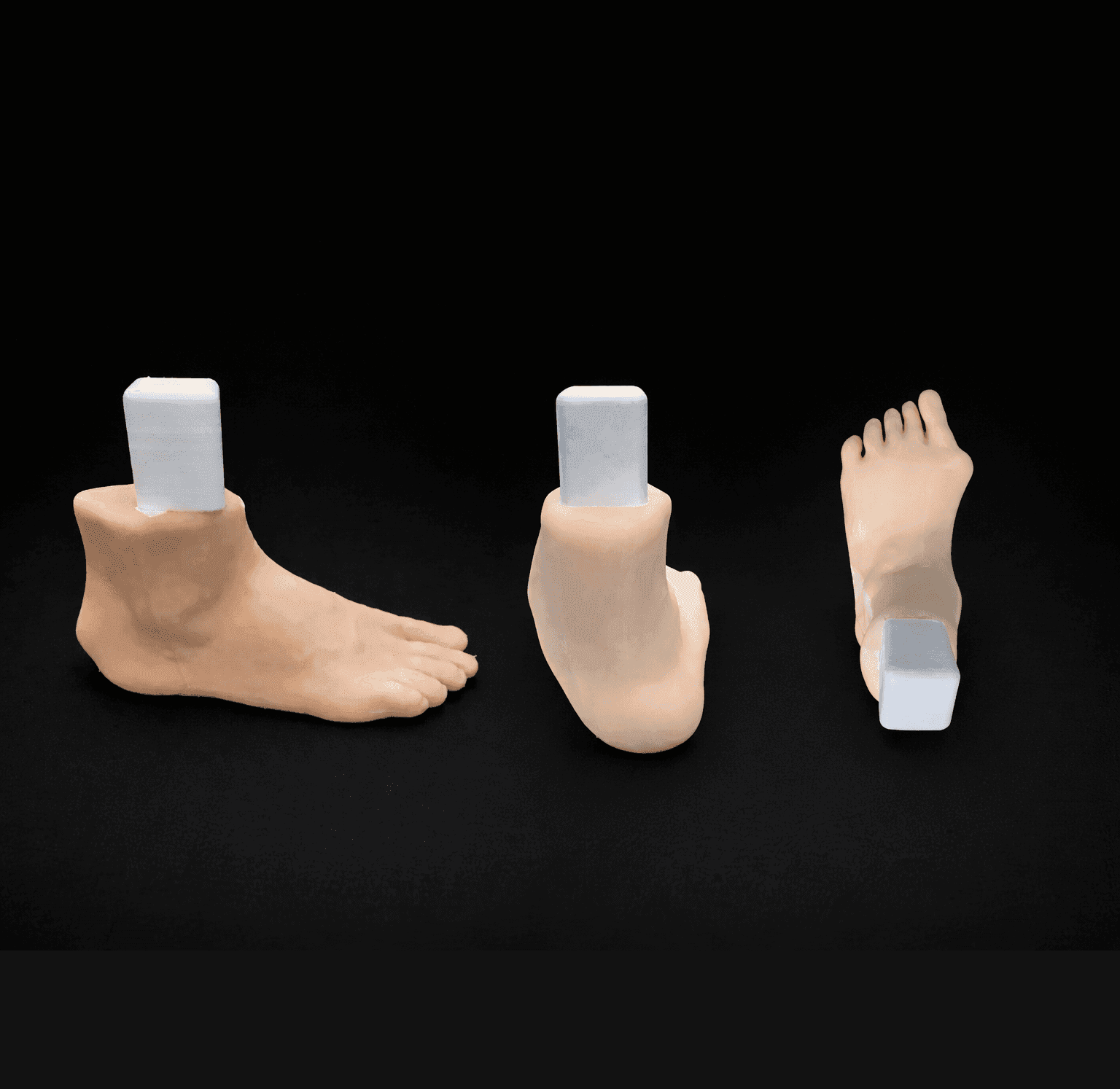
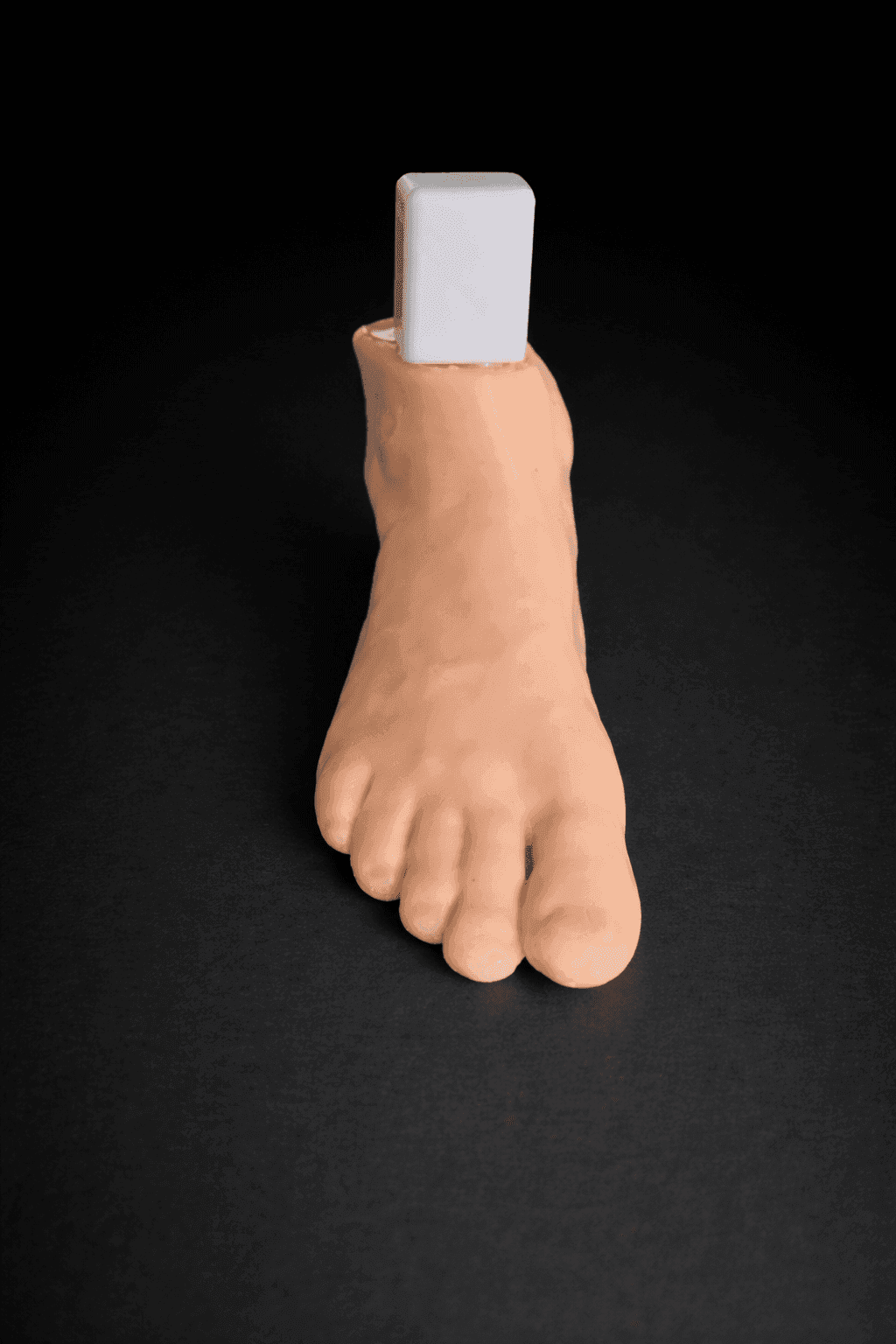

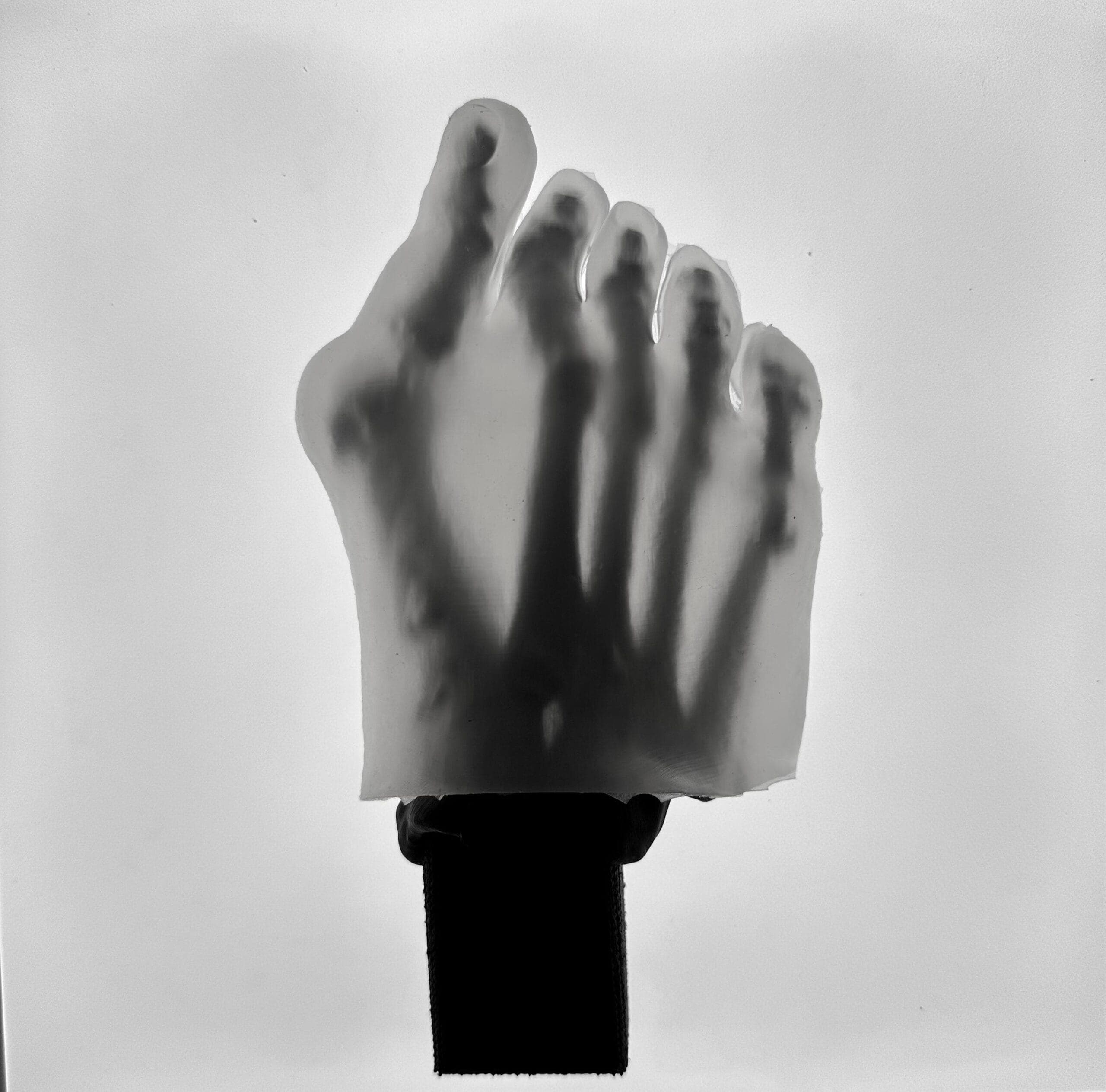
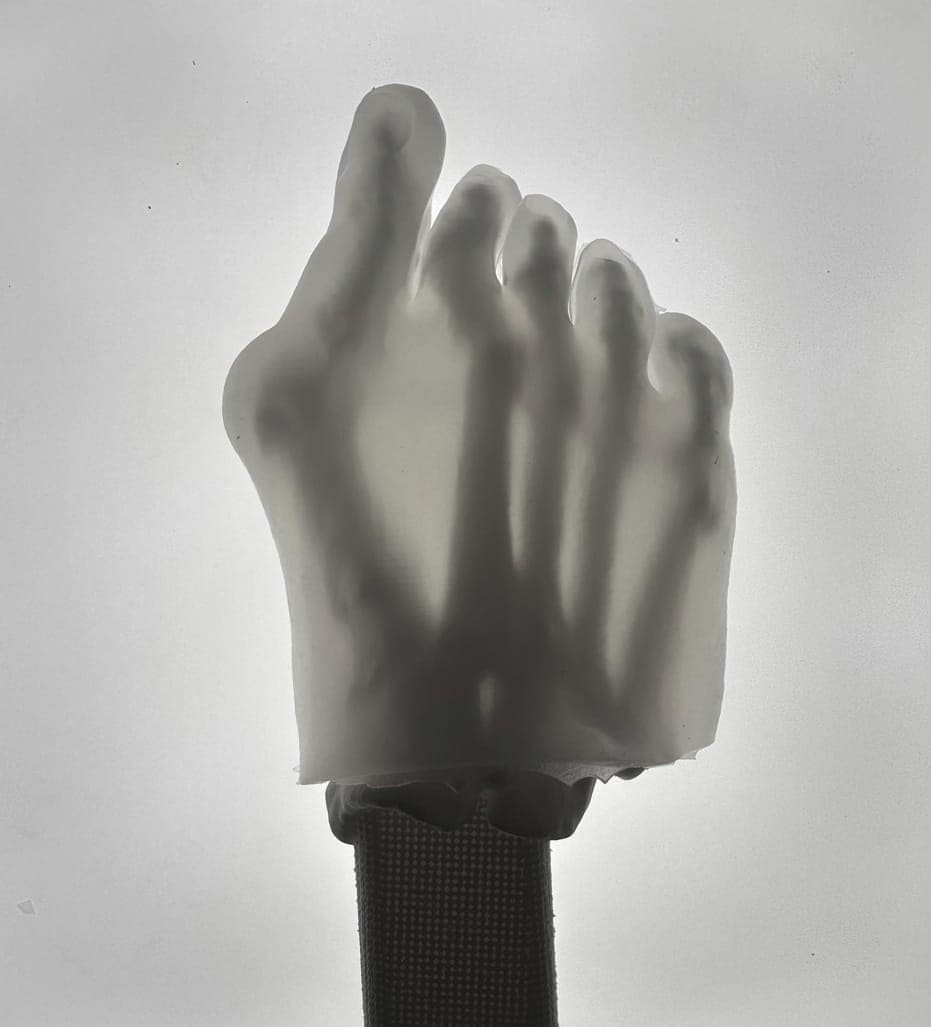
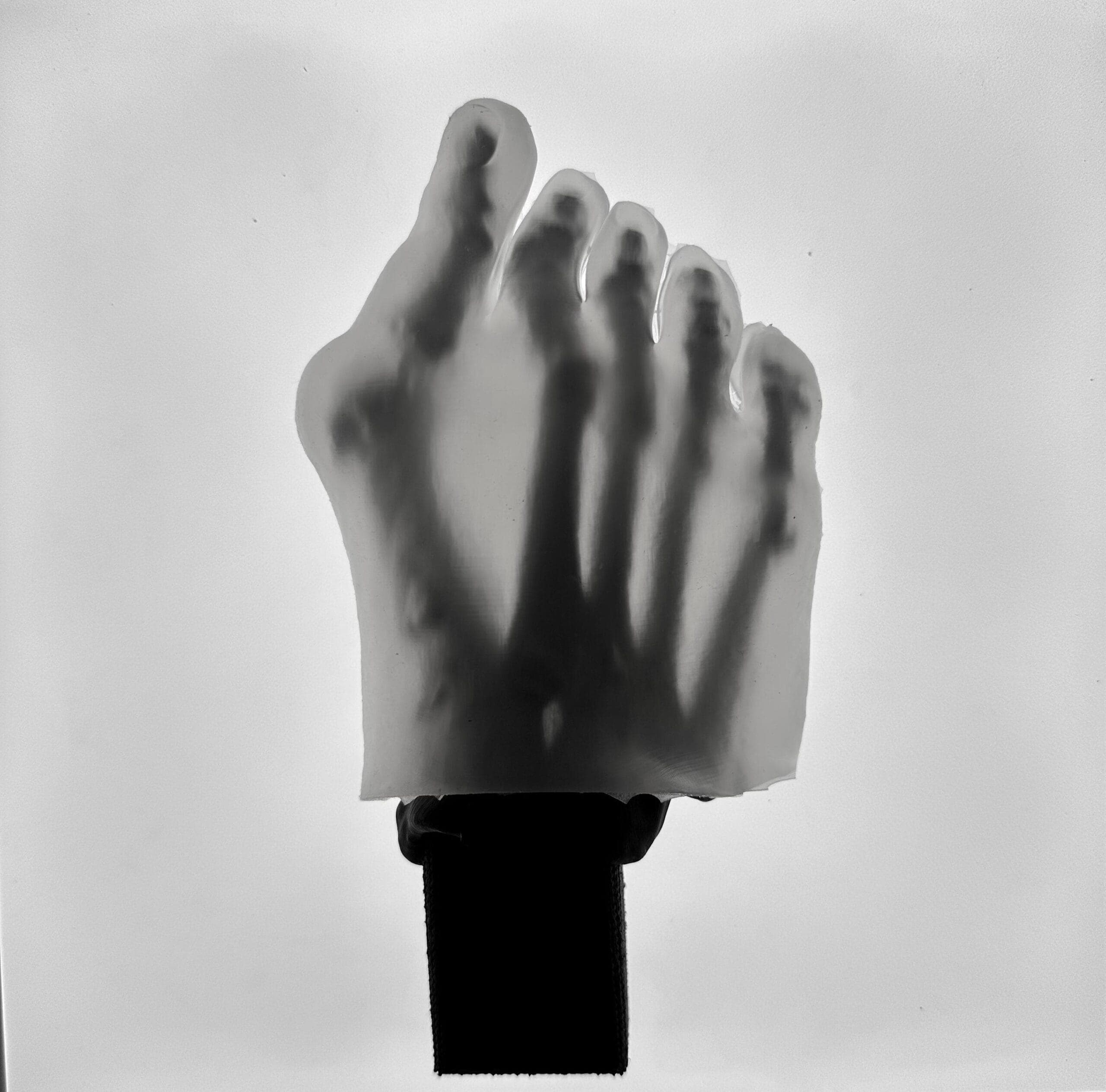
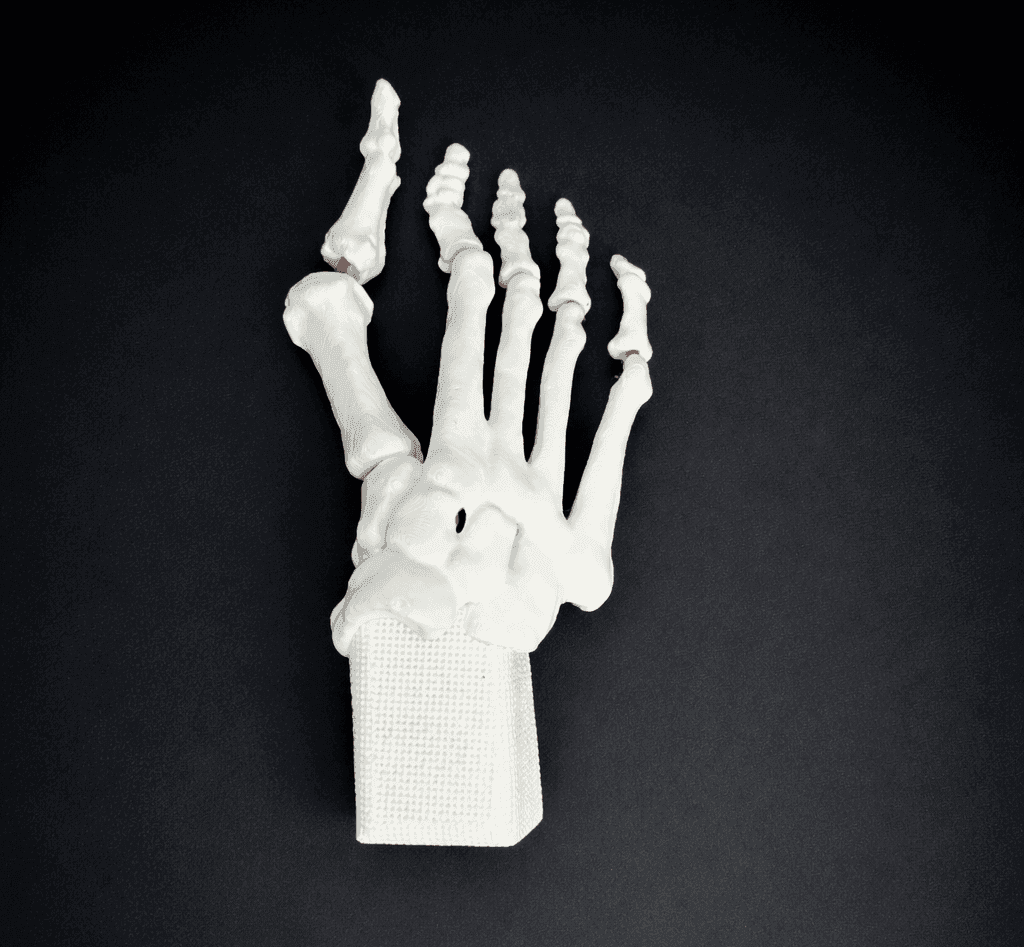
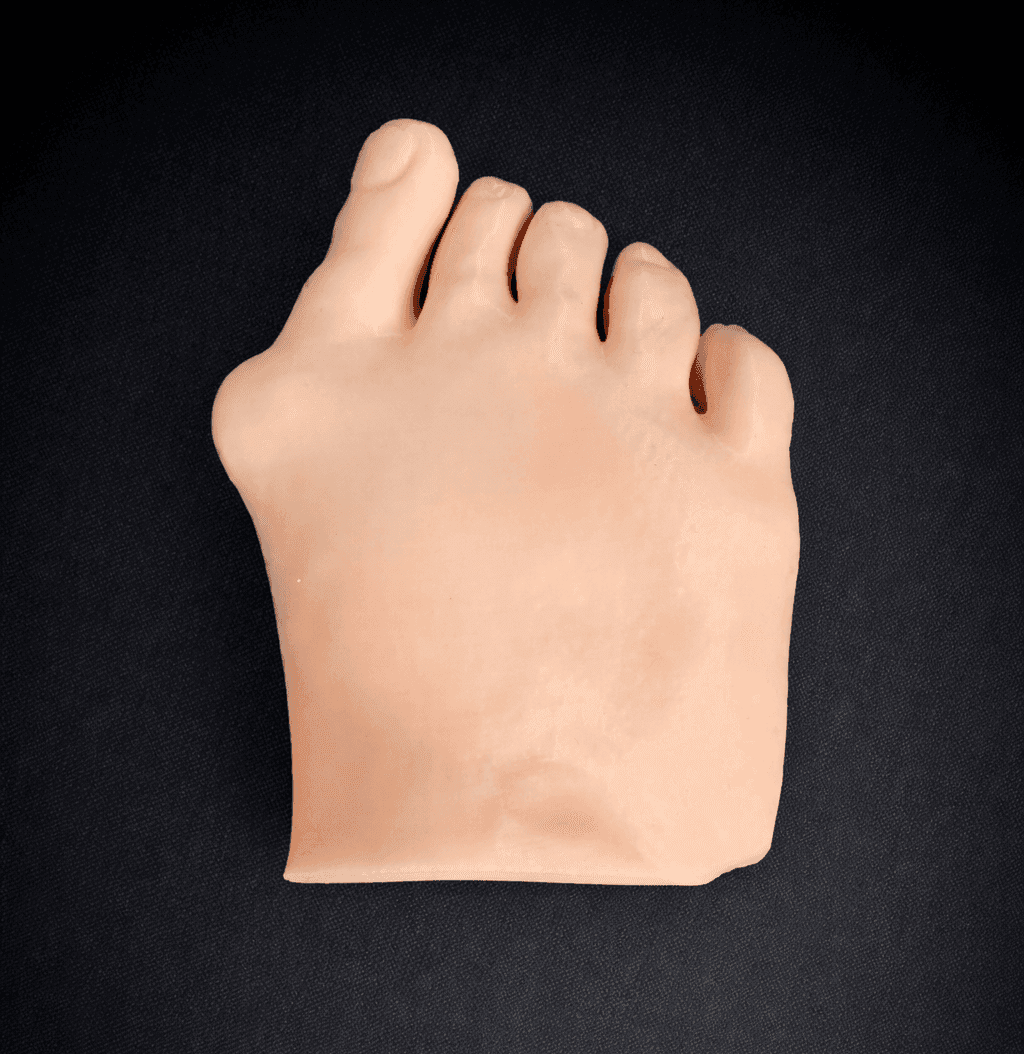
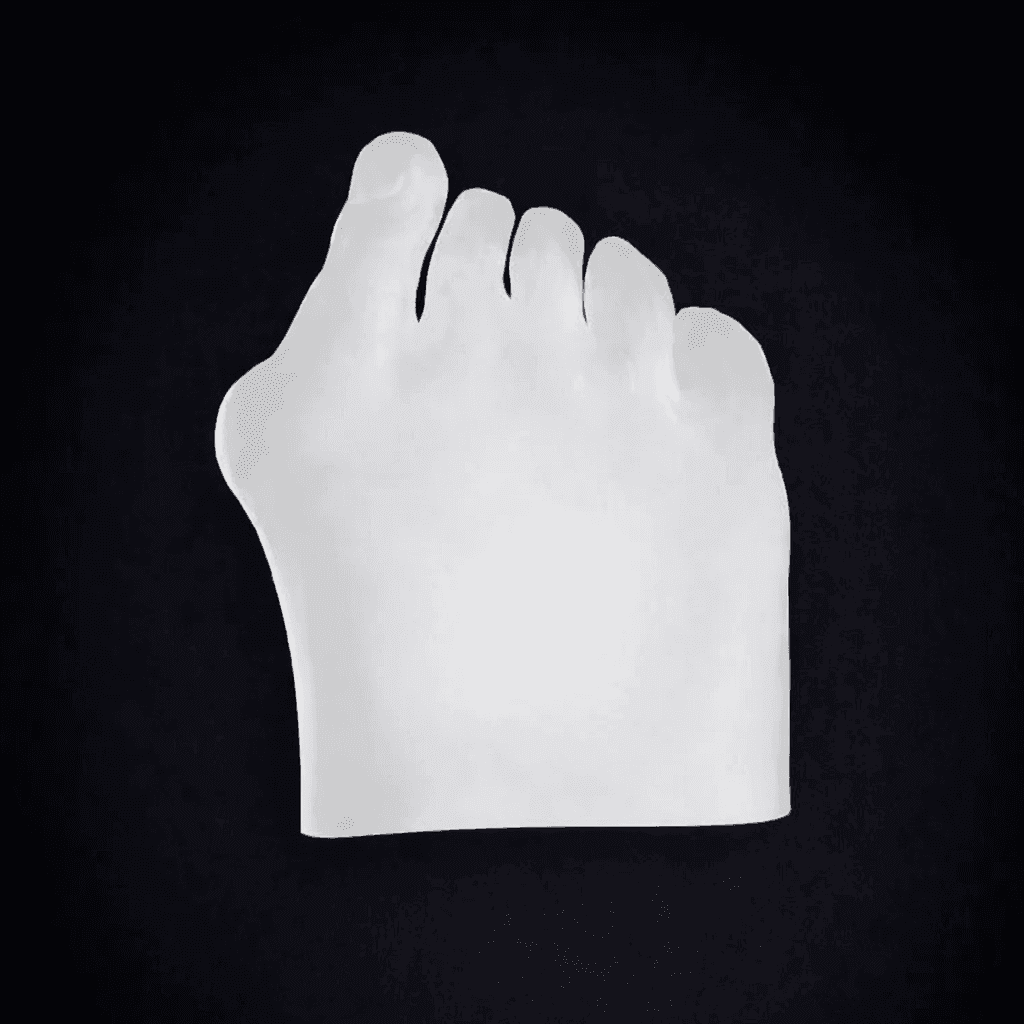
Progressive lateral deviation of the great toe at the metatarsophalangeal joint, frequently accompanied by medial eminence formation and first-ray instability.
Loss of the medial longitudinal arch producing a flatfoot deformity, classified as flexible or rigid depending on hindfoot mobility.
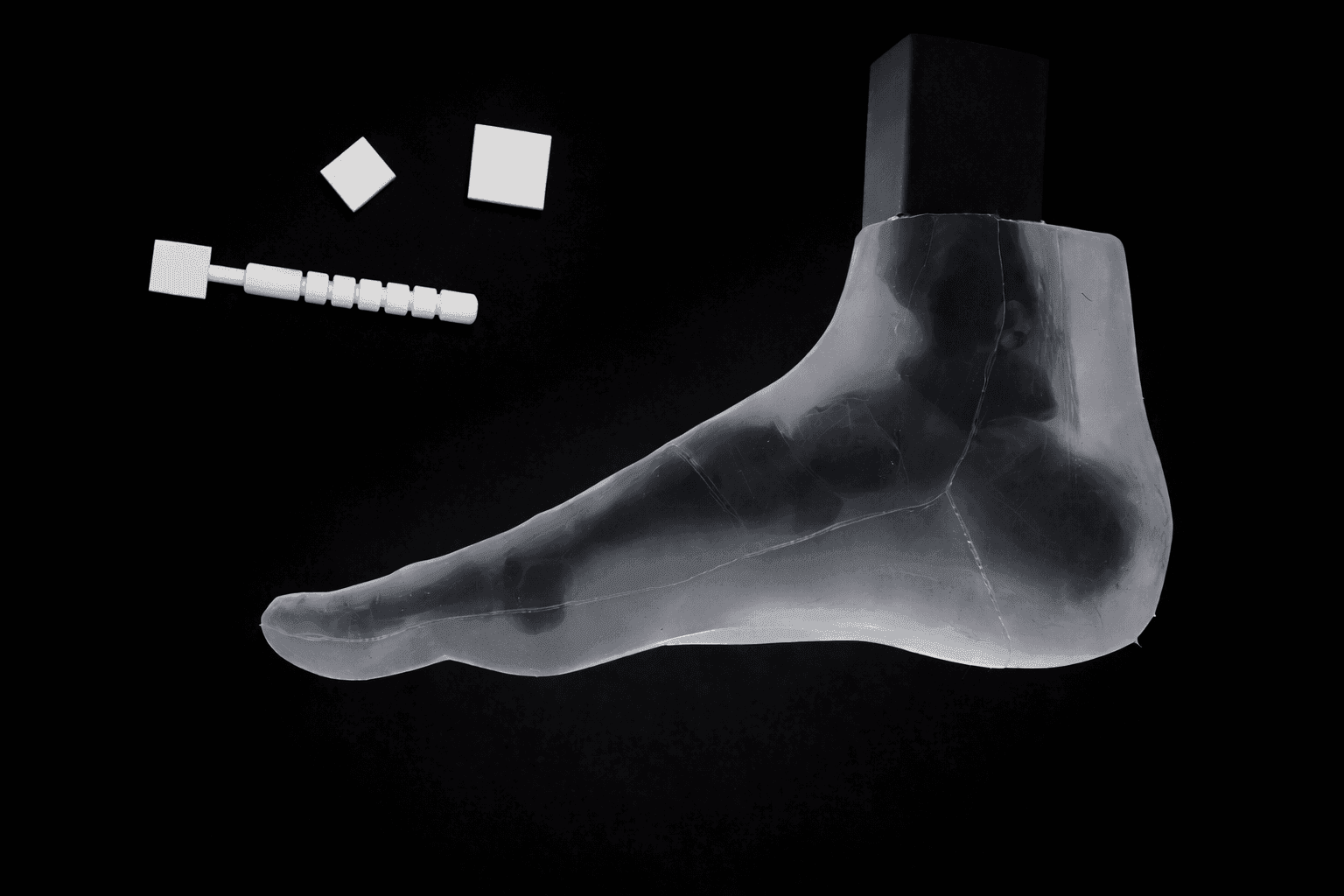
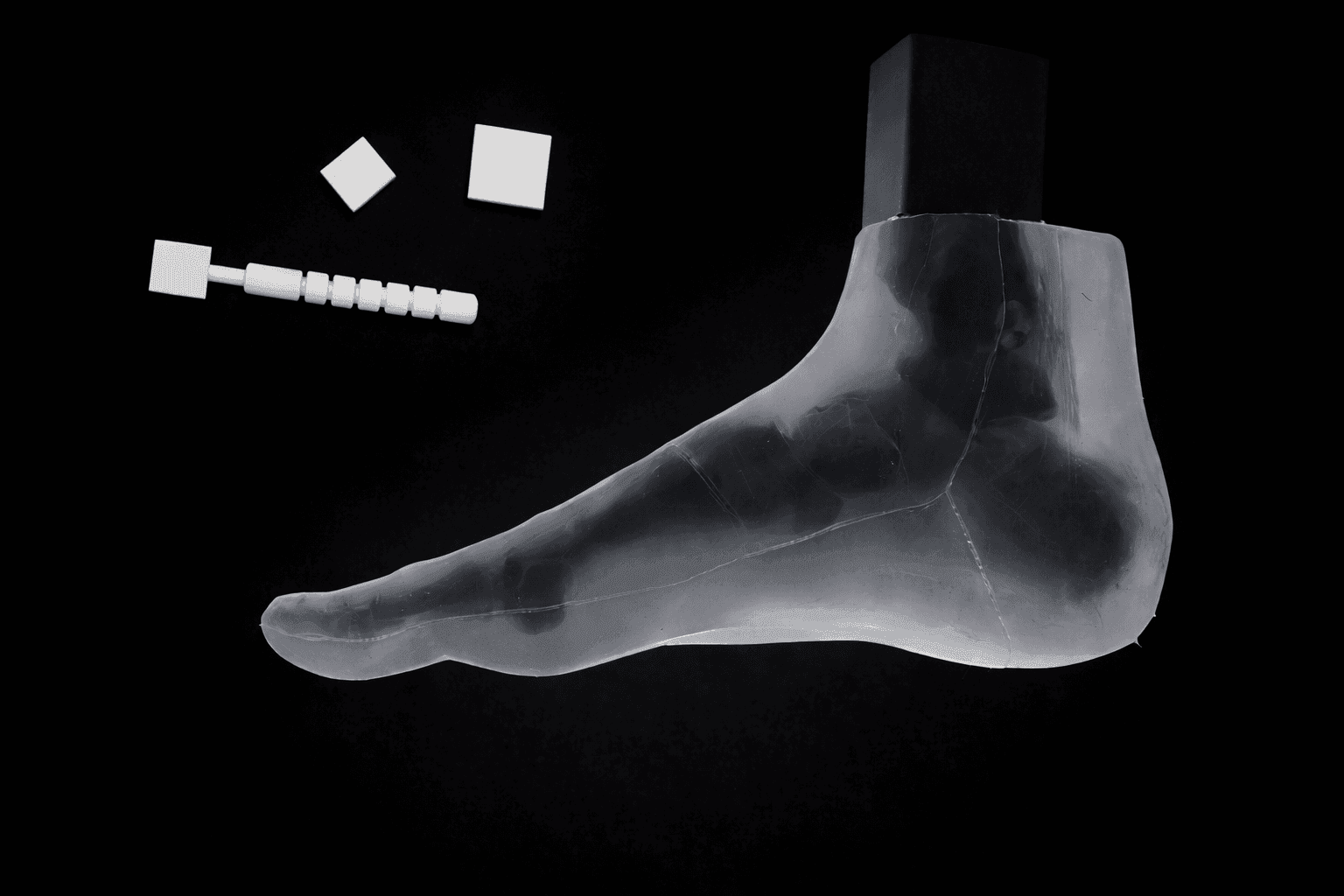
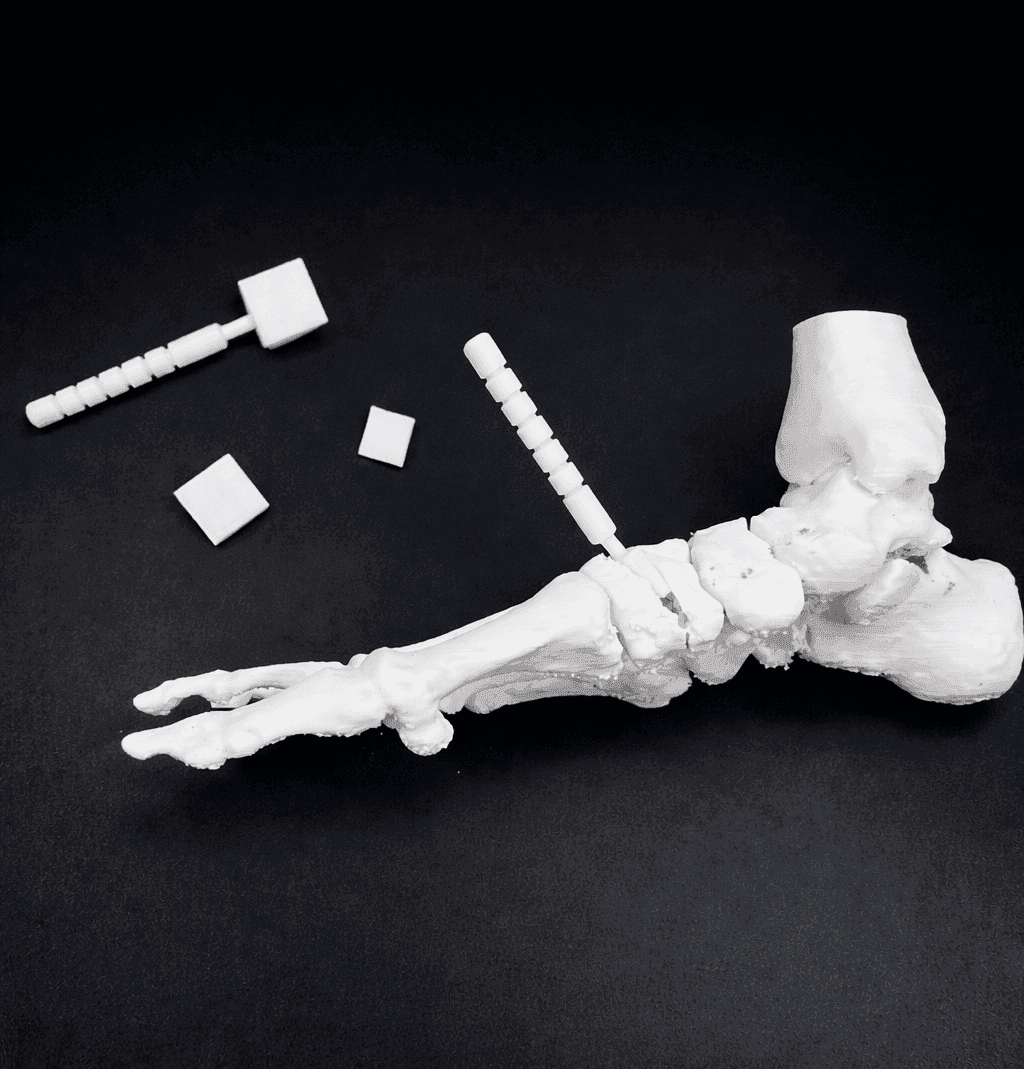
Abnormally high medial longitudinal arch, commonly associated with hindfoot varus and forefoot equinus deformities.
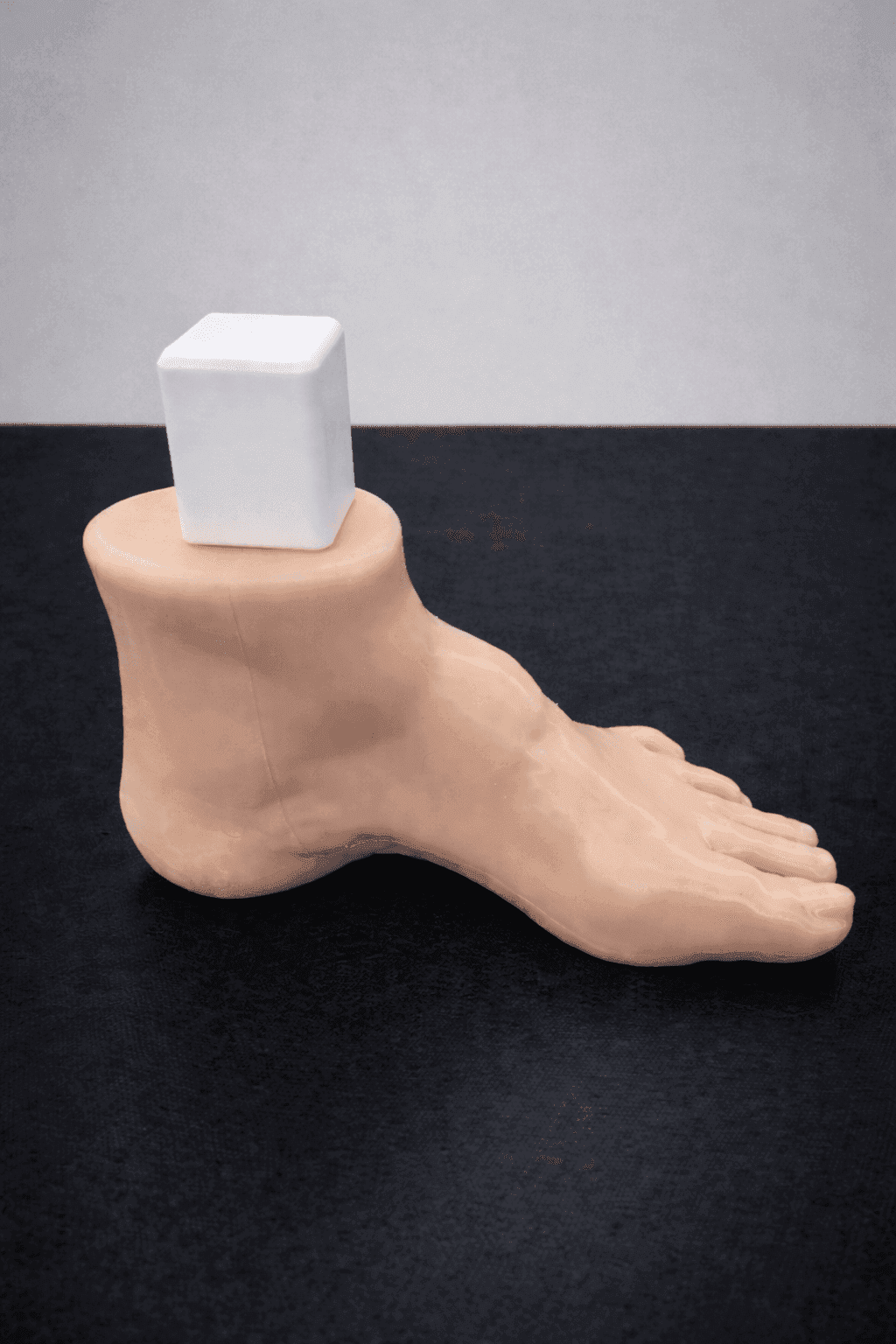
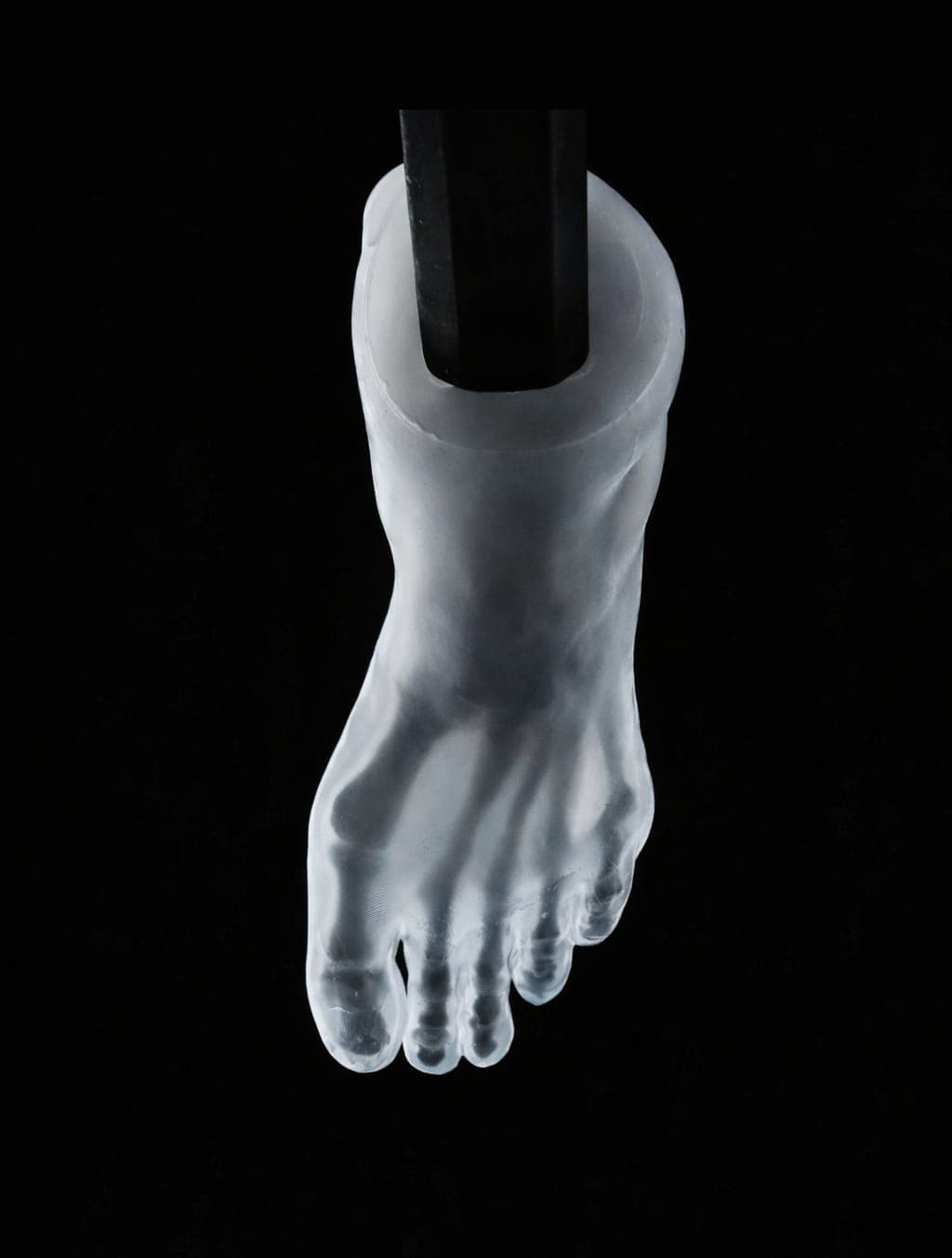
Anatomically accurate representation of the referenced pathology, reproduced to support pre-operative planning, surgical rehearsal, and resident education.
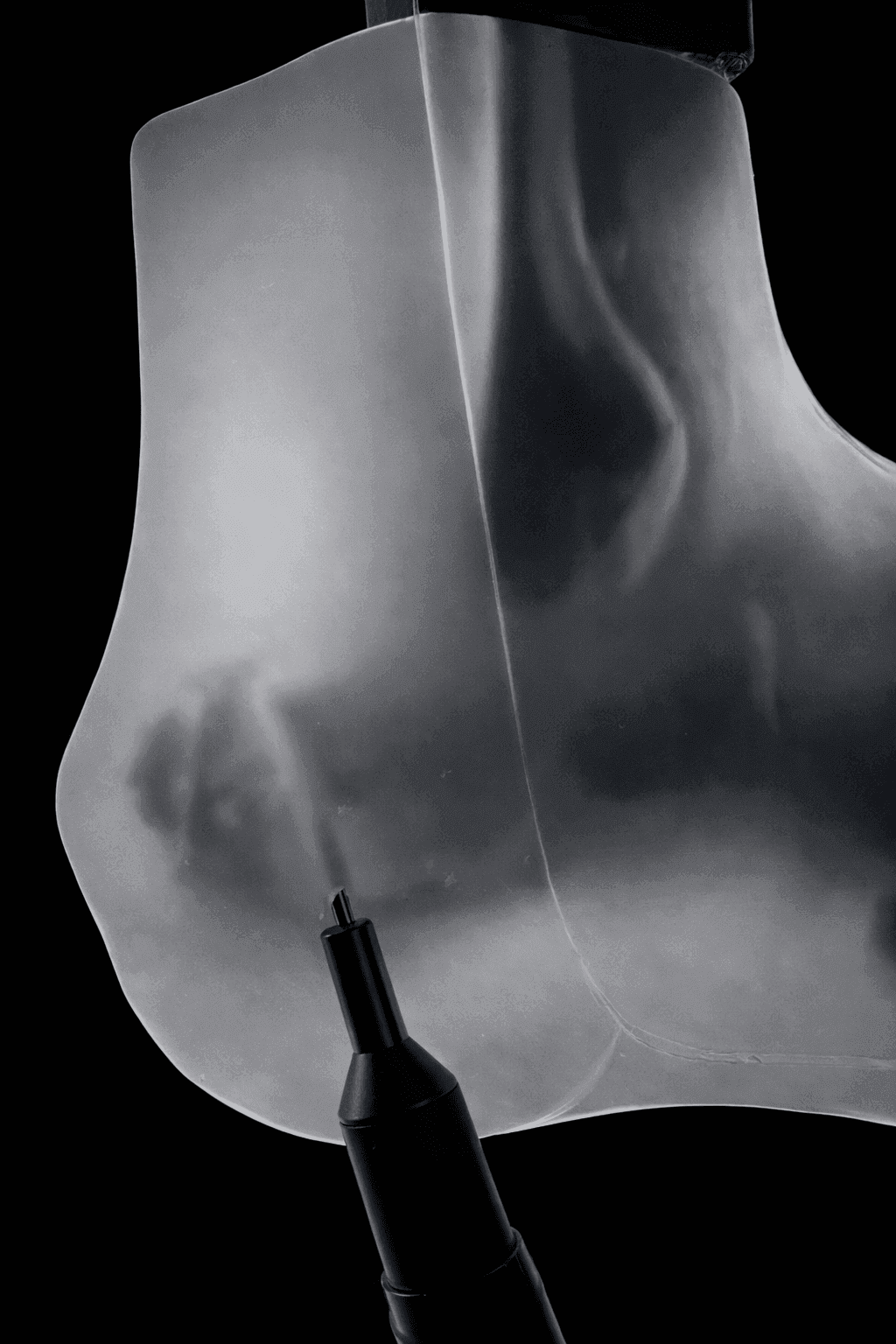
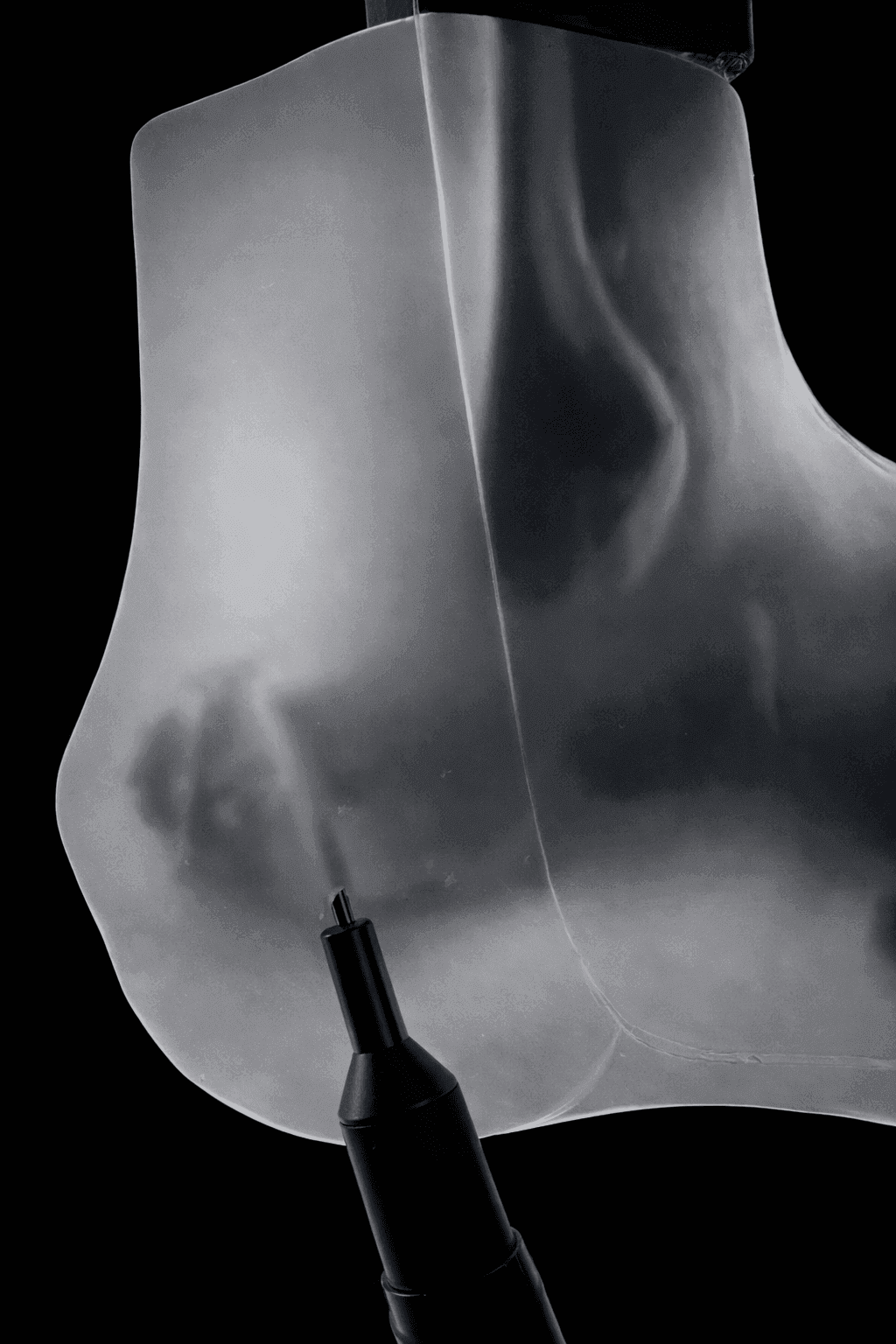
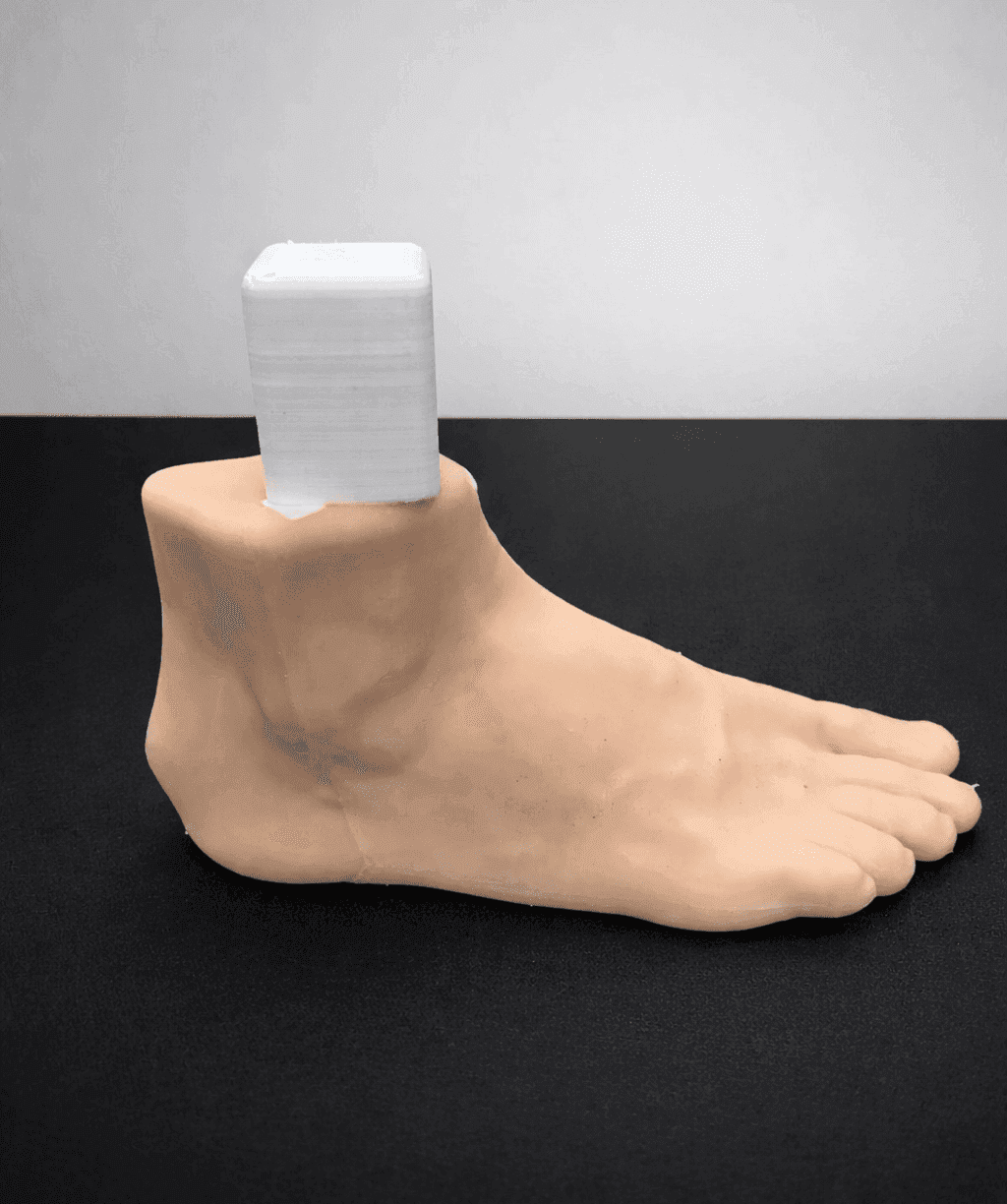
Anatomically accurate representation of the referenced pathology, reproduced to support pre-operative planning, surgical rehearsal, and resident education.
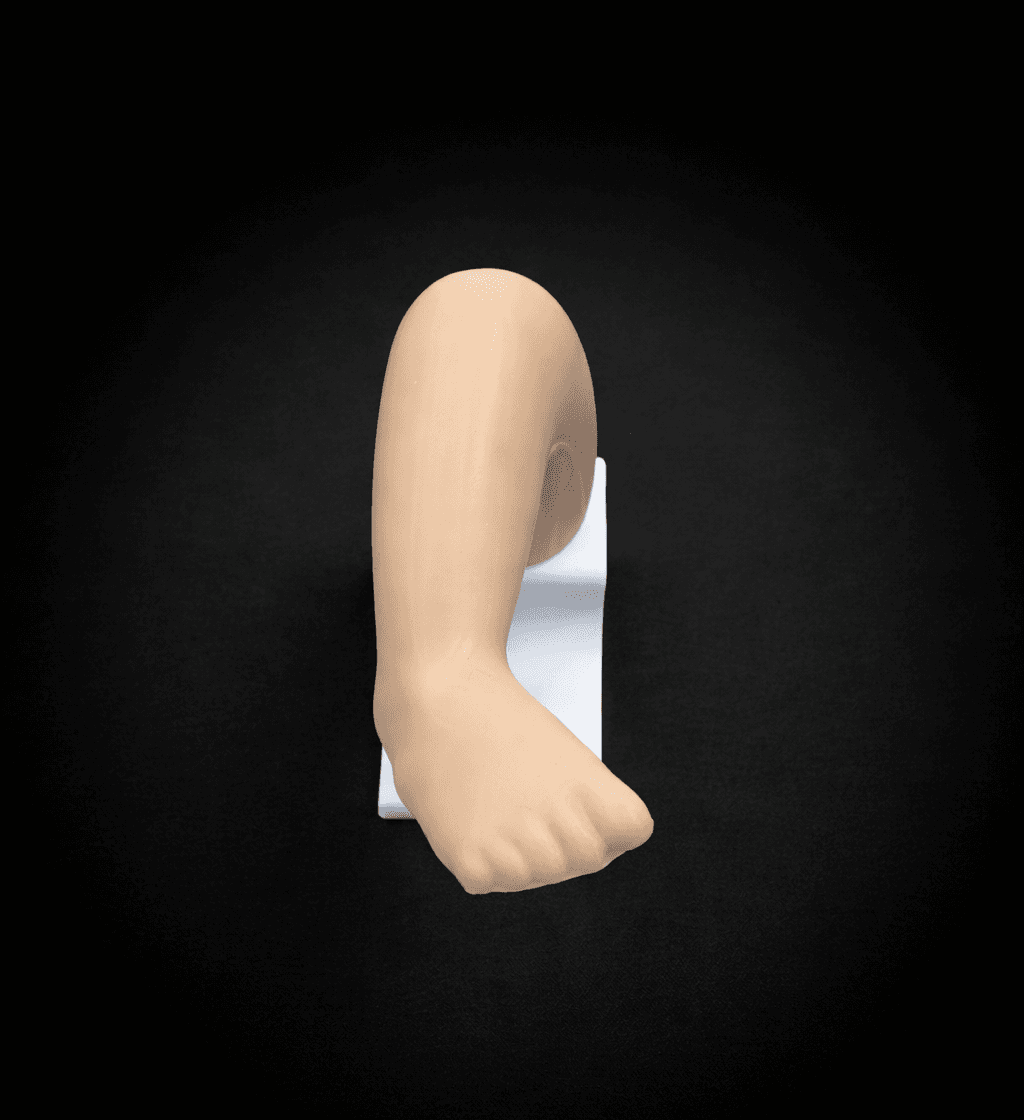
Anatomically accurate representation of the referenced pathology, reproduced to support pre-operative planning, surgical rehearsal, and resident education.
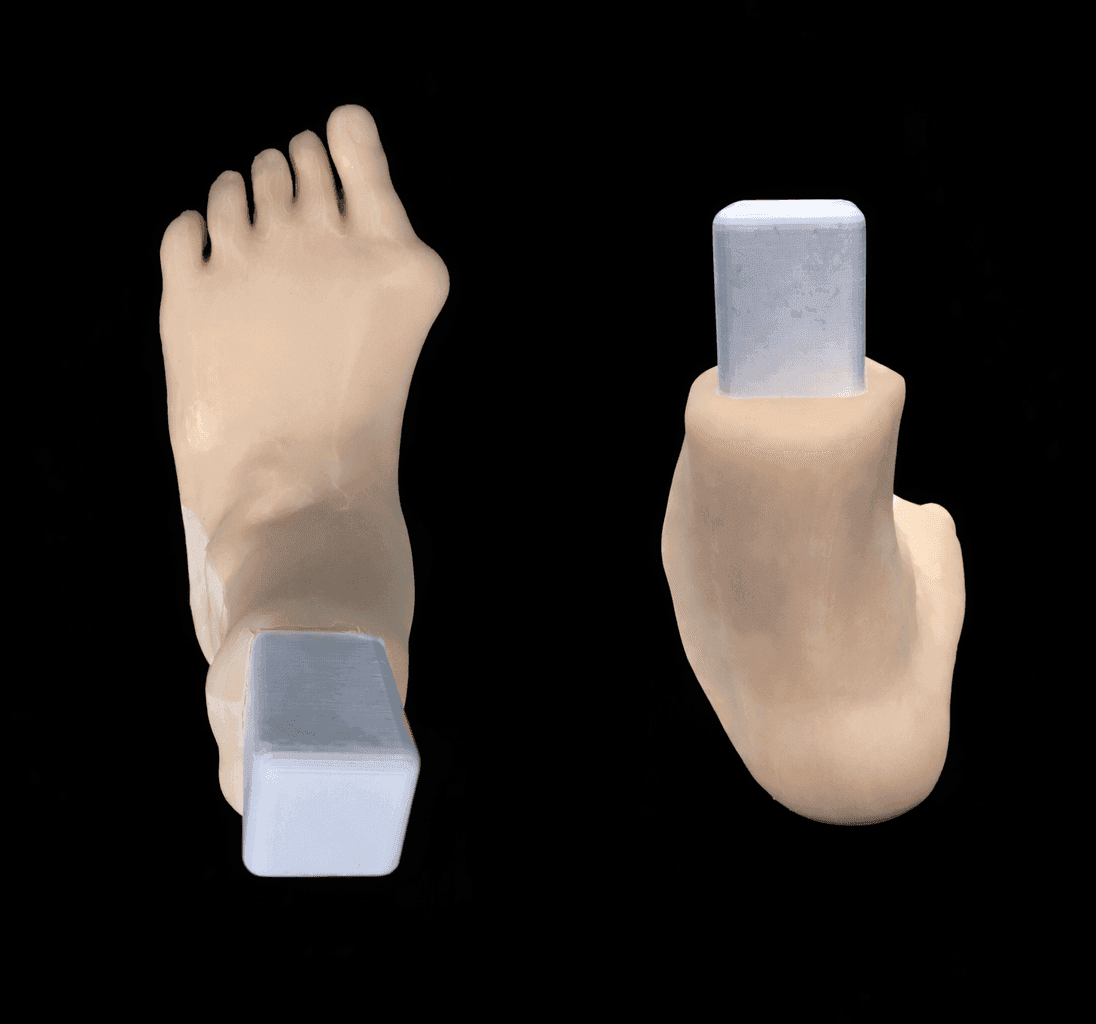
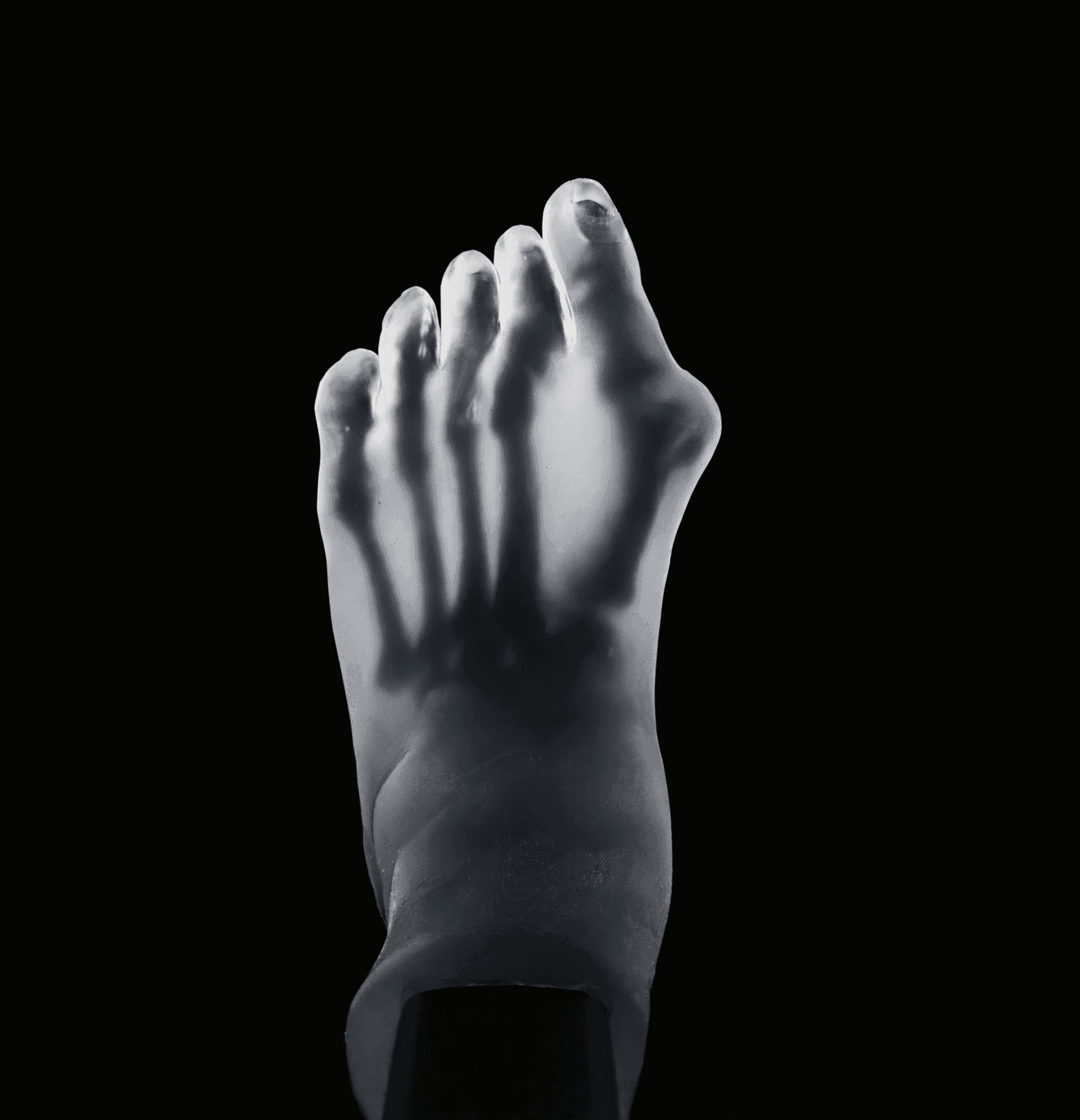
Anatomically accurate representation of the referenced pathology, reproduced to support pre-operative planning, surgical rehearsal, and resident education.
Anatomically accurate representation of the referenced pathology, reproduced to support pre-operative planning, surgical rehearsal, and resident education.
Anatomically accurate representation of the referenced pathology, reproduced to support pre-operative planning, surgical rehearsal, and resident education.
Osseous structures are fabricated from photopolymer resin systems formulated for either radiographic opacity or radiolucency. Soft-tissue envelopes use elastomeric resins tuned to approximate dermal compliance.
| Component | Variant | Behavior |
|---|---|---|
| Bone | Radioopaque (RO) | Visible under fluoroscopy |
| Bone | Radiolucent (RL) | Permits open instrumentation |
| Skin | Opaque (O) | Surface anatomy fidelity |
| Skin | Transparent (T) | Permits visual tracking |
Radioopaque references are suitable for use under C-arm fluoroscopy, mobile radiography, and computed tomography for the purposes of rehearsal and image-guided technique instruction. Radiolucent references are recommended where the surgeon requires unimpeded radiographic visualization of instrumentation.
Models are intended for single educational or rehearsal use unless otherwise indicated. Store at ambient room temperature, away from prolonged exposure to direct sunlight. Clean external surfaces with isopropyl alcohol if required. Models are not intended for autoclaving or for any form of in-vivo or implantation use.
KIOPSI anatomical models are classified under HTS 9023 as instructional models not designed for any other purpose. They are intended exclusively for surgical education, training, and pre-operative rehearsal. Models are not regulated medical devices and are not intended for diagnostic or therapeutic application.